
Finding the right memory care community for a loved one living with dementia takes careful research. A tour may introduce you to the apartment homes and shared spaces, but thoughtful questions reveal much more about team training, personalized support, safety, and daily life.
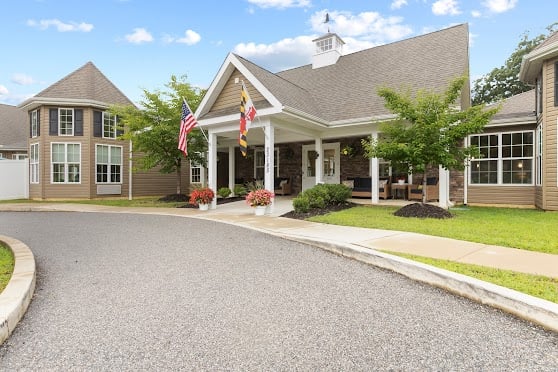
At Discovery Commons Wildewood in California, Maryland, GLOW℠ Memory Care supports residents through familiar routines, meaningful engagement, family collaboration, and an approach that honors each person’s life story. As you compare communities in St. Mary’s County, this guide can help you look beyond first impressions and focus on what matters to your loved one.
What Training Do Memory Care Team Members Receive?
Team training directly affects how residents are supported throughout the day. Memory care staff qualifications questions should cover initial education, ongoing training, communication strategies, and how team members respond when a resident feels confused, anxious, or frustrated.
During a tour, ask whether training includes:
- Person-centered communication that respects each resident’s preferences and current abilities
- Techniques for responding to behavioral changes calmly and respectfully
- Education about Alzheimer’s disease and other forms of dementia
- Strategies for supporting residents through changes in mood, mobility, dining, and personal routines
- Regular training updates as dementia research and best practices evolve
Ask whether all team members receive dementia education, including dining, housekeeping, and transportation personnel. Residents interact with many people each day, so consistent communication across departments can help create a more reassuring experience.
GLOW℠ Memory Care includes team training as one of its six foundational pillars. Team members receive continuous dementia education focused on person-centered communication, behavioral interventions, and environmental support.
How Are Individual Support Plans Created?
Every person experiences dementia differently. A helpful memory care community checklist should include questions about how the community learns each resident’s history, routines, preferences, abilities, and needs.
Ask who contributes to the initial assessment and how often the plan is reviewed. Families should understand how changes are documented, communicated, and incorporated into daily support. The resident’s medical providers may also offer useful information about health conditions, medications, mobility, and cognitive changes.
The GLOW℠ Memory Care program at Discovery Commons Wildewood uses six pillars: legacy preservation, cognitive engagement, sensory enrichment, family collaboration, dining experience, and team training.
Legacy preservation gives team members insight into a resident’s career, relationships, traditions, interests, and meaningful memories. Those details may guide conversations, programs, meals, music, and daily routines. This approach helps residents feel recognized as individuals rather than defined by a diagnosis.
What Does a Typical Day Look Like?
Predictable routines can provide comfort, but residents should still have choices. Ask to see a current calendar and learn how team members adapt programs for different cognitive and physical abilities.
A typical day may include:
- Flexible morning routines and support with personal needs
- Restaurant-style meals with choices adapted to individual preferences
- Music, art, conversation, movement, or hands-on programs
- Opportunities for one-on-one connection and small-group engagement
- Quiet periods for rest, reflection, or time in the resident’s apartment
Observe whether residents appear comfortable and whether team members offer patient encouragement without pressure. Meaningful engagement should connect with a resident’s history and abilities rather than simply filling time.
Discovery Commons Wildewood’s senior living programs include freshly prepared dining, wellness classes, creative programs, games, music, social gatherings, and local outings. Within GLOW℠ Memory Care, experiences are adapted to each resident’s cognitive level, interests, and preferred pace.
How Does the Environment Support Residents?
When deciding what to look for in memory care, pay attention to how easily residents can move through the neighborhood. Clear pathways, recognizable visual cues, comfortable lighting, and familiar spaces may reduce confusion and support daily routines.
Ask how the environment helps residents locate their apartment, dining area, restroom, and shared spaces. Find out whether personal photographs, memory displays, or other familiar items can be placed near apartment entrances.
Discovery Commons Wildewood offers several memory care suite layouts. Families can review floor plans and pricing before a tour and ask how furniture, photographs, artwork, and meaningful belongings may fit within the selected apartment.
The broader community includes an outdoor garden, patio, landscaped grounds, and scenic walking paths. Families should ask how residents in GLOW℠ Memory Care use outdoor areas and what support is available during time outside.
How Are Dining Needs and Preferences Supported?
Dining can affect nutrition, comfort, routine, and social connection. When evaluating dementia care programs, ask how meals are adapted when a resident has difficulty using utensils, remaining seated, recognizing food, or communicating preferences.
GLOW℠ Memory Care includes dining experience as a foundational pillar. Residents receive menu choices, attentive tableside service, and meals presented according to their needs and abilities. A flexible “dining on the run” option is also available for residents who feel more comfortable eating while moving through their routine.
Ask how the community responds to changes in appetite, food preferences, swallowing, or weight. Families should also learn how dietary instructions from medical professionals are communicated to the culinary team.
How Does the Community Involve Families?
Families remain an important part of a resident’s life after a move. Ask how often relatives receive updates and whom they should contact with questions. The community should explain how families participate in planning discussions and how significant changes are communicated.
Family collaboration is another GLOW℠ pillar. The program invites families to share stories, traditions, preferences, and details that help team members understand the resident more fully. Families may also receive educational resources and guidance for making visits more comfortable.
Ask about visiting procedures, family meetings, educational events, and opportunities to share meals or programs with a resident. Clear communication can help everyone work toward consistent, respectful support.
What Safety and Wellness Procedures Are in Place?
Choosing the right memory care neighborhood requires understanding how the community supports residents who may become disoriented or have difficulty communicating a need. Safety procedures should protect residents without making the environment feel restrictive or impersonal.
Important topics to discuss include:
- Entrance, exit, and visitor procedures
- Emergency response plans and team availability
- Medication management and wellness checks
- Fall prevention and mobility support
- Communication with medical professionals and family members
- Procedures for changes in behavior, appetite, sleep, or health
Ask how team members balance safety with freedom of movement and personal choice. You should also learn how emergency procedures are practiced and how families are notified when an incident occurs.
How Can Families Evaluate the Community During a Tour?
Visit at a time when you can observe everyday interactions. Notice whether team members greet residents by name, listen carefully, and respond with patience. Look at the dining environment, apartment homes, outdoor areas, and places for quiet conversation.
Consider touring more than once and bringing another trusted family member. Comparing observations afterward may help you identify details that one person missed.
The most useful questions to ask memory care communities often focus on real situations. Ask how the team would support your loved one during a difficult morning, a change in appetite, an anxious afternoon, or a family visit. Specific examples can reveal more than broad promises.
Make a Decision Based on the Person
Selecting a memory care community is a significant family decision, but you do not have to make it based on appearances alone. Ask detailed questions, observe how residents and team members interact, and consider whether the environment reflects your loved one’s personality, routines, and needs.
Schedule a tour of Discovery Commons Wildewood to explore the memory care neighborhood, meet the team, and discuss how personalized support could fit your loved one’s story.