
Choosing the right type of senior care for a loved one requires careful consideration of their current needs and future health outlook. When comparing assisted living vs memory care, families need to understand how each option serves different purposes and offers distinct levels of care. Both provide supportive environments for older adults, but recognizing the difference between assisted living and memory care helps families make informed decisions that support their loved one's well-being and quality of life.
The decision depends primarily on cognitive function and the level of supervision required. Many families face this choice when they start noticing changes in their loved one's independence or memory capabilities. Taking time to evaluate these care options early allows smoother transitions and better planning.
Understanding Assisted Living Communities
Assisted living communities serve older adults who need help with activities of daily living. Residents receive support with tasks like:
- Bathing
- Dressing
- Medication management
- Meal preparation
All while maintaining their personal freedom and social connections. These communities foster engagement while providing security and assistance when needed.
The other added benefits of assisted living include scheduled programs, housekeeping services, transportation, and 24-hour staff availability. Residents live in private or semi-private apartment homes with their own furnishings and personal belongings. This living arrangement allows older adults to enjoy a maintenance-free lifestyle while accessing help as their needs change. Social programs, dining options, and wellness events create welcoming community atmospheres that combat isolation and promote engagement.
What Makes Memory Care Different
Memory care provides care for individuals with Alzheimer's disease, dementia, or other cognitive impairments. These communities feature safety-enhanced environments designed to prevent wandering and reduce confusion. Staff members receive specific training in dementia care techniques, communication strategies, and behavioral management approaches that address the unique challenges of memory loss.
The physical environment in memory care differs significantly from standard senior living communities. These communities incorporate:
- Visual cues
- Simplified layouts
- Special lighting
- Structured daily routines
- Memory-enhancing programs
These programs are designed for engagement support cognitive function while providing meaningful engagement. Higher staff-to-resident ratios ensure the right amount of supervision and attention throughout the day and night.
What is the difference between assisted living and memory care when it comes to daily support?
Assisted living focuses on offering assistance with specific tasks. Staff help residents on an as-needed basis, allowing older adults to manage their own schedules and events. The care model emphasizes choice while providing a safety net of available support.
Memory care takes a more hands-on approach with constant supervision and structured programming. Team members engage with residents throughout the day, guiding them through programs and providing redirection when confusion arises. Additional design features prevent unsafe wandering, and the environment minimizes potential hazards that could pose risks to those with cognitive impairments. Care plans address not just physical needs but also cognitive stimulation, emotional well-being, and behavioral challenges specific to dementia.
Evaluating Your Loved One's Needs
Determining the right level of care starts with an honest assessment of your loved one's current abilities and limitations. Consider whether they can:
- Complete personal care tasks
- Manage medications safely
- Get around their environment without getting lost or confused
Cognitive screening assessments from healthcare providers offer objective measurements of memory function and decision-making capabilities.
Behavioral changes often signal the need for memory support rather than general residential care. Frequent confusion about time and place, difficulty recognizing familiar people, wandering tendencies, and significant personality changes indicate advancing cognitive decline. Safety concerns, such as leaving stoves on or getting lost in familiar places, require the secure environment that memory care provides.
Families exploring senior living options should consult with healthcare professionals to determine which care setting best addresses their loved one's specific situation.
Understanding Memory Care in Assisted Living Settings
Some communities offer memory care in assisted living communities, providing both care levels within one campus. This arrangement benefits couples with different care needs or allows residents to transition to memory care without relocating to a new community. Families should evaluate whether separate, dedicated memory care wings provide appropriate security and programming compared to integrated models.
Not all senior communities offer care services for cognitive impairment. When touring communities, ask about staff training in dementia care, security measures, and the types of events designed for cognitive support. Understanding the distinction between general residential care and dedicated memory care helps families select communities equipped to meet their loved one's specific needs now and as those needs change over time.
Making the Right Choice for Your Family
The choice between these care options should balance current needs with anticipated progression of health conditions. While one option suits older adults who need some daily assistance but retain cognitive function, memory care serves those requiring specialized dementia support and secure environments. Consulting with physicians, touring multiple communities, and asking detailed questions about care approaches helps families make confident decisions.
Financial considerations, location preferences, and community amenities also factor into the decision-making process. Many families benefit from consulting with senior living advisors who understand local options and can match specific needs with the right communities. When evaluating assisted living vs memory care, the best choice prioritizes safety, quality of life, and support levels that honor your loved one's dignity while meeting their care requirements both today and in the future.
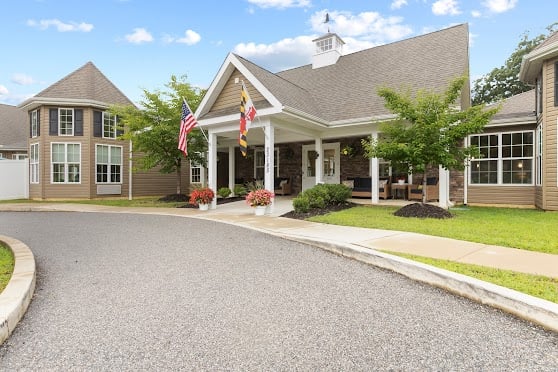
Learn how Discovery Commons Wildewood supports daily routines, engagement, and peace of mind. Schedule a personalized tour and learn how we can support your family through Assisted Living or our SHINE® Memory Care program.