
A healthy digestive system plays a major role in overall well-being. As people age, their digestive systems become more sensitive, making it easier for certain foods to cause discomfort. Being mindful of foods that cause constipation in seniors, together with regular physical activity, can help support better gut health.
Refined Grains and Baked Goods
White bread, pasta, and pastries made from refined flour lack fiber, which helps digestion. When fiber intake is low, stools become harder and more difficult to pass. Encouraging whole grain alternatives can make a difference in maintaining regular bowel movements.
Salty Processed Snacks
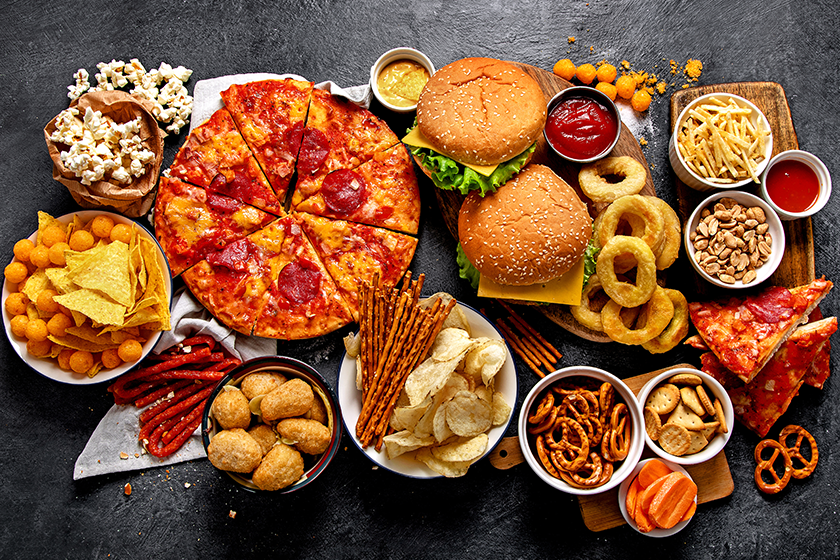
Chips, pretzels, and other salty snacks can contribute to dehydration, leading to constipation. High sodium levels pull water from the intestines, making stools dry and difficult to pass. Choosing lower-sodium snacks and increasing fluid intake can help keep digestion smooth.
Garlic and Onions
These flavorful ingredients contain FODMAPs (Fermentable Oligosaccharides, Disaccharides, Monosaccharides, and Polyols), which can be difficult for some older adults to digest. If your loved ones experience bloating or irregular bowel movements after consuming them, they may need to limit their intake. Cooking these foods thoroughly or choosing alternatives may reduce digestive discomfort.
Beans and Lentils
While legumes are high in fiber, they also contain compounds that can cause bloating and constipation in sensitive individuals. Some people may find them easier to digest when they are soaked or cooked well. Pairing them with non-gassy vegetables can also help balance digestion.
Whole Wheat, Barley, and Rye
Though whole grains are known for their fiber content, they also contain FODMAPs that may trigger constipation in some individuals. If your family member experiences digestive discomfort after eating these grains, a different fiber source may be better. Oats or rice can be gentler alternatives.
Bananas at Different Ripeness Levels
Unripe bananas contain starch that can be hard to digest, leading to constipation. Ripe bananas, on the other hand, contain more soluble fiber, which may help promote regularity. Pay attention to how your loved ones respond to bananas and adjust their diet accordingly.
Eggs and Low-Fiber Meals
Eggs are a good source of protein, but they lack fiber, which helps prevent constipation. If older adults consume eggs regularly without enough fiber-rich foods, they may struggle with irregular digestion. Serving eggs with vegetables or whole grains can make meals more balanced.
Dairy Products
Cheese, milk, and other dairy products can contribute to constipation, especially in those with lactose intolerance. The body may struggle to break down lactose, leading to bloating and sluggish digestion. Choosing lactose-free options or plant-based alternatives can help maintain gut health.
Red Meat
Red meat is low in fiber and takes longer to digest, which can slow bowel movements. Eating it frequently without enough fiber-rich foods may lead to constipation. Balancing meals with vegetables and whole grains can help support smoother digestion.
Supporting Gut Health for the Elderly
Preventing constipation starts with a diet that supports gut health and overall well-being. Encouraging fiber-rich foods, staying hydrated, and limiting processed options can make digestion easier for older adults. Making small adjustments can lead to lasting digestive comfort.