Summary
Senior living communities and family caregivers can significantly reduce fall risks through practical prevention strategies, home modifications, and regular health monitoring. Falls remain a leading health concern for older adults, but many are preventable with thoughtful planning and awareness.
- Install grab bars, non-slip mats, and raised toilet seats in bathrooms, and improve lighting throughout the home with nightlights and motion-activated switches
- Strengthen balance and stability through regular exercise like heel-to-toe walking, chair squats, and gentle tai chi, always with guidance from a healthcare professional
- Consult physical and occupational therapists for personalized assessments that identify individual fall risks and recommend safe home modifications
- Review medications regularly with a healthcare provider, as certain drugs can cause dizziness or balance issues that increase fall risk
- Use assistive devices like canes and walkers correctly, wear supportive footwear, and consider fall detection technology for added peace of mind
Falls remain one of the most common health risks for older adults. In fact, about one in four Americans age 65 and older experiences a fall each year. These incidents can lead to injuries, reduced mobility, and significant disruptions to daily routines.
The encouraging news is that many falls can be prevented. With thoughtful planning, practical fall prevention tips, and regular health monitoring, families can help older adults stay safer at home.
Understanding how to prevent falls in loved ones starts with awareness. Small environmental adjustments, consistent exercise, and proactive health management can greatly reduce risk. In this guide, we’ll explore practical fall prevention strategies that support safety and confidence for aging adults.
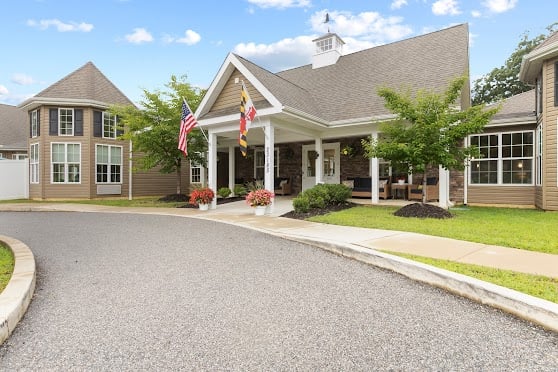
Communities like Discovery Commons Wildewood in California, MD, also emphasize safety and wellness through thoughtful living spaces, supportive team members, and wellness programs. Together, these measures help residents stay active and steady on their feet.
Understanding Common Fall Risks in the Home
Effective aging adult fall prevention begins with recognizing everyday hazards that increase the likelihood of falls. Many risks are easy to overlook but can create dangerous conditions inside the home.
Common household hazards include:
- Loose rugs or carpets that shift underfoot
- Poor lighting in hallways, staircases, or entryways
- Cluttered walkways or electrical cords across floors
- Slippery bathroom surfaces
- Unstable furniture used for balance support
Bathrooms and stairways are particularly high-risk areas. Wet surfaces, tight spaces, and the need to reach or bend can make everyday movements more difficult.
Health conditions can also increase fall risk. Vision changes, medication side effects, muscle weakness, and balance disorders often affect stability. Chronic conditions like arthritis, Parkinson’s disease, or diabetes may also impact coordination and mobility. Recognizing these factors allows families to create stronger fall prevention strategies that address both the environment and overall health.
Essential Home Modifications for Safety
Making a home safer does not require major renovations. Many fall prevention tips involve small adjustments that significantly reduce risk.
Start by focusing on areas where falls commonly occur.
Bathroom Safety Improvements
Bathrooms benefit greatly from simple upgrades that provide additional support:
- Install grab bars near toilets and inside showers
- Place non-slip mats in bathtubs and on tile floors
- Use raised toilet seats when standing becomes difficult
- Keep frequently used items within easy reach
Lighting and Visibility
Good lighting is another key component of adult fall prevention. Clear visibility helps older adults move through the home confidently.
Helpful lighting improvements include:
- Nightlights in bedrooms, bathrooms, and hallways
- Motion-activated lights that turn on automatically
- Light switches at both ends of hallways and staircases
- Brighter task lighting for cooking, reading, or hobbies
Stairway Safety
Stairways deserve special attention when working to prevent falls in older adult family members. Sturdy handrails on both sides provide added support. Marking step edges with contrasting tape can improve visibility, especially for individuals with vision challenges. Keeping stairways clear of clutter and securing carpeting are also important safety measures.
Physical Activities That Strengthen Balance and Stability
Exercise is one of the most effective ways to support fall prevention for seniors. Regular movement helps maintain strength, coordination, and flexibility, which are all essential for stability.
Some helpful fall prevention exercises for seniors include:
- Standing on one foot while holding a sturdy chair
- Heel-to-toe walking across a room
- Seated leg lifts to strengthen lower body muscles
- Chair squats to build balance and leg strength
- Gentle tai chi movements that improve coordination
Seniors can often safely perform these exercises at home. However, it is best to consult a healthcare professional before beginning a new routine. They can recommend exercises that match an individual’s mobility level and health conditions.
At communities like Discovery Commons Wildewood, wellness programs and guided fitness sessions help residents stay active while supporting strength and balance. Structured movement programs, walking groups, and supportive community environments can all contribute to better stability and confidence.
The Role of Professional Assessment and Training
Professional assessments can provide valuable insight into personal fall risks. Healthcare specialists may identify factors that families do not immediately notice.
Two professionals often involved in fall prevention training for seniors include:
- Physical therapists, who evaluate gait, strength, and balance while developing personalized exercise plans
- Occupational therapists, who assess home environments and recommend safety improvements
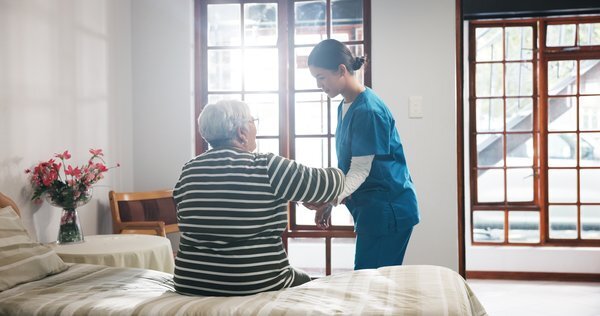
Many community and healthcare programs also offer structured fall prevention training for seniors. These programs teach techniques such as safe stair navigation, proper use of assistive devices, and safer ways to rise from chairs or beds.
Education for care associates is also helpful. Families learn how to support their loved ones safely without unintentionally creating additional risks.
Medication Management and Health Monitoring
Medications can influence balance and alertness. Side effects such as dizziness, drowsiness, or blood pressure fluctuations may increase fall risk.
Regular medication reviews with a healthcare provider can help identify concerns. A physician may adjust dosages or recommend alternatives as part of a broader fall prevention strategy.
Routine health monitoring is equally important. Helpful preventive steps include:
- Regular vision and hearing exams
- Blood pressure monitoring
- Bone density screenings to detect osteoporosis
- Maintaining proper hydration and balanced nutrition
Together, these measures support overall stability and reduce the likelihood of serious injury if a fall does occur.
Using Assistive Devices and Technology
Assistive devices can provide added stability for older adults with mobility challenges. When in use correctly, they play an important role in adult aging fall prevention.
Common safety tools include canes, walkers, grab bars, and reaching aids that reduce the need to bend or stretch. Proper footwear with supportive, non-slip soles also helps improve balance.
Technology is also expanding options for fall prevention and response. Helpful solutions may include:
- Medical alert systems for quick emergency assistance
- Smart lighting systems that automatically illuminate pathways
- Wearable fall detection devices that notify care associates
Combining environmental changes, exercise, health monitoring, and supportive technology allows families to create comprehensive fall prevention strategies that support safety and confidence.
For families exploring supportive living options, Discovery Commons Wildewood in California, MD, offers Assisted Living and Memory Care with thoughtfully designed apartment homes, welcoming community spaces, and wellness-focused programs. These measures help residents stay active and secure.
Find compassionate care tailored to your loved one's needs at Discovery Commons Wildewood. Schedule a personalized tour and learn how we can support your family.