
When families start exploring senior care options, one question comes up again and again: what's the real difference between Assisted Living and memory care?
While Assisted Living offers helpful support with daily tasks, memory care provides something quite different. These communities are specifically designed for people living with Alzheimer's disease and other forms of dementia. Understanding what sets them apart can make all the difference when deciding what's best for someone you love.
Memory care communities focus on the unique challenges that come with cognitive decline. Everything from the physical layout to staff training is intentionally designed to help residents feel safe, comfortable, and engaged. This level of specialization goes far beyond what traditional Assisted Living can offer, where staff may not have specific training in dementia care services.
Understanding the Fundamental Differences in Senior Care Levels
Assisted Living works well for seniors who need some help with everyday activities like:
- Bathing
- Dressing
- Medication reminders
- Mobility support
Residents in assisted living typically remain independent. They participate in community programs, socialize with neighbors, and move throughout the community without constant supervision. Memory care operates at a different level of support.
Residents living with dementia often experience confusion, memory loss, and difficulty navigating everyday environments. For this reason, specialized dementia care includes additional safeguards and programming tailored to cognitive changes.
Memory care communities often provide:
- Safety-enhanced environments designed to reduce wandering risks
- Team members trained in dementia communication and behavior support
- Structured daily routines that promote comfort and familiarity
- Programs that encourage cognitive engagement and emotional wellbeing
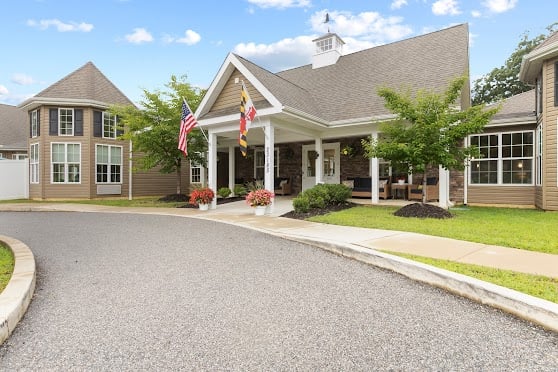
At Discovery Commons Wildewood, residents benefit from a welcoming community environment. In our community, supportive programming and compassionate guidance help create meaningful daily experiences.
Why Do Dementia Patients Need Specialized Care?
Families frequently ask why dementia residents need specialized care. The answer lies in how dementia affects the brain and behavior.
People living with dementia may experience:
- Memory loss
- Confusion about time or place
- Changes in mood or personality
- Difficulty communicating needs
- Anxiety or agitation
As symptoms progress, these challenges can make independent living unsafe or overwhelming. Dementia care services provide structured support and trained guidance to help residents navigate daily life more comfortably.
Behavioral symptoms such as wandering, sundowning, or restlessness are common. Skilled team members understand that these behaviors often reflect unmet needs rather than intentional actions. Their training helps them respond with patience, redirection, and reassurance.
This approach protects dignity while reducing stress for residents and their families.
Specialized Dementia Care Focuses on Safety
Safety is one of the most important reasons families choose memory care support.
Cognitive decline can increase the risk of:
- Falls
- Medication confusion
- Getting lost or disoriented
- Difficulty recognizing potential hazards
Memory care communities incorporate safety-enhanced design features to reduce these risks while still allowing residents to move freely within the community.
Common features include:
- Secure entrances and exits
- Easy-to-navigate layouts
- Visual cues like color and signage
- Calm, structured environments that reduce overstimulation
These design choices help residents maintain confidence and comfort throughout the day.
Specialized Training Makes the Difference
One of the biggest distinctions between memory care and other senior living options is the training of the care team.
Team members in memory care receive education on:
- Different forms of dementia
- How cognitive decline affects communication
- Behavioral support techniques
- Compassionate redirection strategies
- Crisis response specific to dementia-related challenges
Communication training is especially valuable. As language skills change, team members learn how to connect through tone, body language, and simplified communication.
Many care associates also practice validation-based approaches, which focus on acknowledging emotions rather than correcting a resident’s perception. This method helps maintain trust and reduces anxiety.
For families, this level of preparation provides reassurance that their loved one is supported by individuals who understand the complexities of dementia.
Therapeutic Programs Encourage Cognitive Engagement
Another key difference in memory care vs. independent living or assisted living is the structure of daily programs.
Memory care programming is designed to support cognitive function while creating moments of joy and connection.
Residents may participate in programs such as:
- Music and rhythm sessions that stimulate memory recall
- Creative art programs that encourage self-expression
- Reminiscence conversations around life stories
- Sensory engagement experiences that promote relaxation
- Gentle movement or walking programs for physical wellbeing
Communities carefully adapt their programming to each resident’s abilities, helping individuals participate successfully without feeling overwhelmed.
At Discovery Commons Wildewood, GLOW℠ Memory Care offers engaging daily programs and welcoming gathering spaces encourage residents to connect with others and enjoy meaningful moments daily.
Thoughtful Community Design Supports Wellbeing
The design of a memory care environment plays an important role in reducing confusion and promoting comfort.
Communities that provide specialized dementia care often include features like:
- Clearly marked hallways and visual wayfinding cues
- Comfortable seating areas for social connection
- Consistent lighting to reduce visual confusion
- Calm spaces that minimize noise and distraction
Outdoor areas can also be an important part of daily life. Safety-enhanced outdoor spaces allow residents to enjoy fresh air, walking, and quiet reflection while remaining safely within the community.
These design choices support independence while creating a predictable, reassuring environment.
Choosing the Right Level of Care
Determining when someone may benefit from memory care instead of assisted living requires careful evaluation.
Memory care may be appropriate when a loved one:
- Experiences frequent confusion or disorientation
- Wanders or becomes lost easily
- Requires consistent supervision
- Struggles with behavioral changes related to dementia
- Needs structured support beyond what assisted living can provide
Visiting communities can help families better understand the differences between memory care vs. independent living and other senior care levels.
When touring, families may want to ask:
- What dementia-specific training do team members receive?
- How do you design daily programs for residents living with memory loss?
- What safety measures are in place?
- How does the community support family involvement?
These conversations help families feel confident in their decision.
Compassionate Memory Care Support for Your Loved One
Choosing specialized dementia care is a meaningful step toward protecting your loved one’s safety, dignity, and quality of life.
At Discovery Commons Wildewood, families find a supportive community environment through GLOW℠ Memory Care. Here, residents living with dementia receive compassionate guidance, engaging daily programs, and thoughtful care that meets changing needs.
Find compassionate GLOW℠ Memory Care tailored to your loved one's needs at Discovery Commons Wildewood . Schedule a personalized tour and learn how we can support your family.